
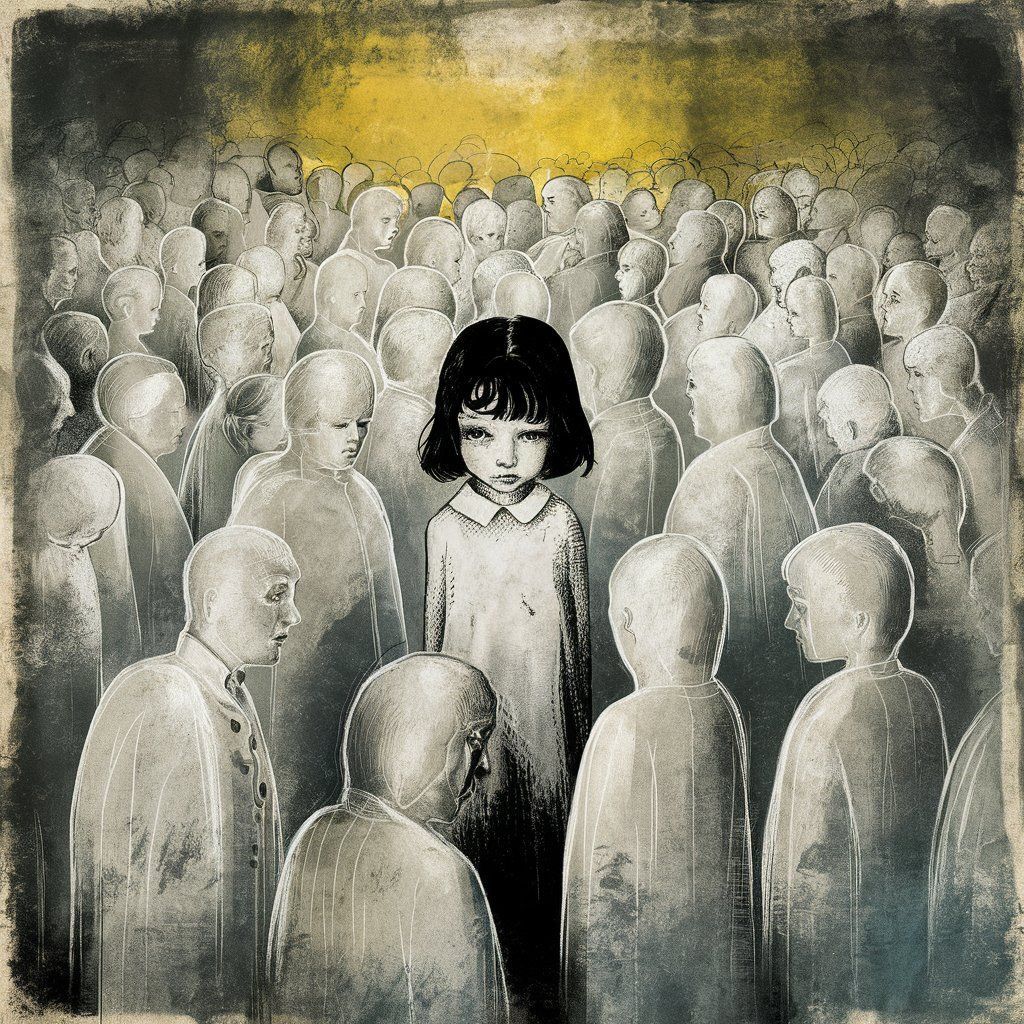
Patriarchy is most challenged when women assert their voice, visibility, and agency. The tragic murder of 17-year-old Sana Yousaf in Islamabad is a painful reminder of this reality. She was not out late at night, nor was she defying social conventions in public. She was within her own home, the very place girls are told they will be safest. Yet, even within those walls, her autonomy was not respected. She refused the advances of a man, and that act, a basic assertion of personal choice, was answered with bullets.
This was not a crime driven by passion. It was an act rooted in patriarchy, a system so fragile that it responds with violence whenever a woman exercises her right to say no. Like countless other girls and women in Pakistan, Sana became a target not because she broke the law, but because she disrupted the silence. In a society that enforces submission from women at every turn, even a quiet refusal can carry a fatal price.
The brutality inflicted upon Sana Yousaf is all too familiar in Pakistan. It echoes the case of Noor Mukadam, who was brutally tortured and beheaded by a man who felt entitled to her body, her decisions, and her life. It also reminds us of the tragic murder of Qandeel Baloch, who defied patriarchal norms and became a symbol of resistance; she was killed by her own brother in the name of ‘honour’. Similarly, there is the case of Khadija Siddiqui, who was stabbed 23 times by a male classmate motivated by revenge after she spurned his advances. What followed was a protracted legal battle, highlighting how arduous the path to justice remains for women in Pakistan.
These incidents are not isolated tragedies; rather, they are part of a broader and systematic pattern of gender-based violence in Pakistan. This situation underscores how violence is used as a tool for control, punishment, and intimidation against women who might dare to think, speak, or live independently.
The statistics reveal a troubling reality. According to the UNFPA, nearly 1 in 3 women in Pakistan experience physical or sexual violence in their lifetime. These staggering figures do not fully represent the crisis, as many cases go unreported due to stigma, fear of retaliation, and a broken justice system. Even when women do come forward, achieving justice remains a significant challenge. Conviction rates for gender-based violence are still below 2 per cent. Survivors often face secondary victimization at police stations, encounter skepticism during court proceedings, and are frequently denied adequate protection and support from institutions.
Why does this happen? Because Pakistan’s deeply rooted patriarchal structure continuously strips women of their agency and value. Patriarchy in this context is not just a matter of personal biases; it is a system of cultural and institutional control that is embedded in everyday life. This system is reinforced from an early age by the relentless message that a woman’s survival depends on her submission.
Men in this system are socialised to believe their masculinity depends on control. And when that control is challenged, as when a woman refuses, reports abuse, or chooses independence, many men respond with violence.
Sana’s case is emblematic of this structural rot. It is a reminder that the violence women face is not limited to the physical. It is also psychological, emotional, economic, and digital. This violence manifests as surveillance, threats, and forced isolation. Its purpose is to make women feel small, dependent, and fearful. Unfortunately, it not only silences individuals but also undermines the strength of society as a whole.
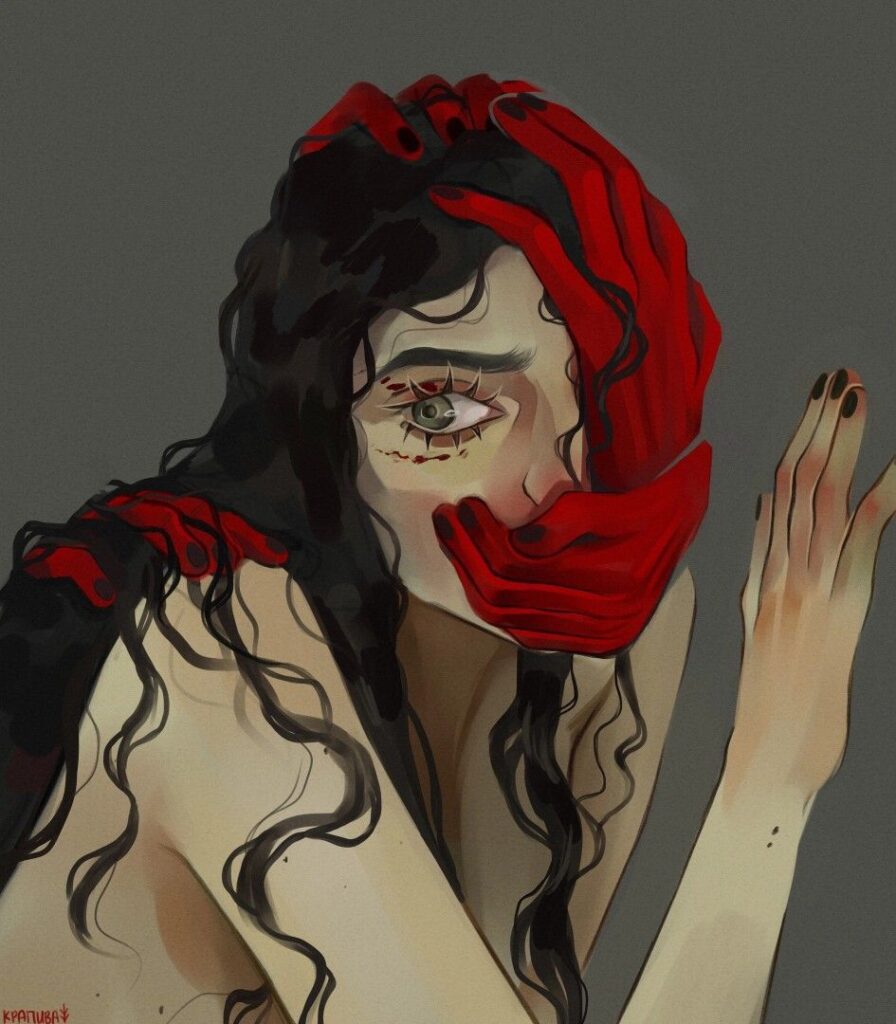
The consequences are severe and lasting. Survivors of violence are often left with depression, anxiety, post-traumatic stress, and disrupted lives. Some are pulled out of school or forced out of jobs. Others are ostracised or pushed back into abusive relationships because they have nowhere else to go. According to UNFPA, gender-based violence is among the leading contributors to poor mental and reproductive health outcomes for women in Pakistan.
Yet, despite these costs, the response to such violence is often silence or, at best, temporary outrage that fades until the next tragedy.
But silence is complicity. And it is time to break it, for Sana, and for every girl growing up with the quiet fear that she may be next.
The state must move beyond performative condemnations. Laws against domestic abuse, honour killings, and workplace harassment must be implemented with seriousness. Gender desks must be present at police stations, crisis centres must be accessible, and trauma-informed care must be available at hospitals. However, institutional reform alone is not enough. A cultural shift is equally urgent, one that redefines what it means to be a man, normalises consent, and values a woman’s autonomy.

Education plays a vital role in this transformation. Research indicates that educated women are more likely to report abuse and seek justice. However, it is equally important to educate boys and men, not only in academics but also in empathy, respect, and gender equality. Schools, families, and media platforms must challenge and change harmful norms, replacing them with narratives that emphasise dignity and justice.
Men need to take action. They should challenge their peers, confront their privileges, and model non-violence in their relationships. This issue affects everyone, not just women, and solving it requires the involvement of all members of society.
We owe it to Sana. We owe it to the many others who never got to tell their stories. And we owe it to every girl in Pakistan who dares to believe that her life can be lived on her terms freely, safely, and without fear.